Lock Luxe Locksmith / Home Security Guides
How to Replace a Door Lock: A UK Homeowner's Guide
Changing a door lock can mean swapping a euro cylinder, replacing a mortice lock or dealing with an entire multipoint mechanism. This guide explains how to tell the difference, measure the right part and carry out a straightforward cylinder change safely.
UK-wide educational guide. Lock Luxe's locksmith service covers Hendon and nearby North and North West London.
Can You Replace a Door Lock Yourself?
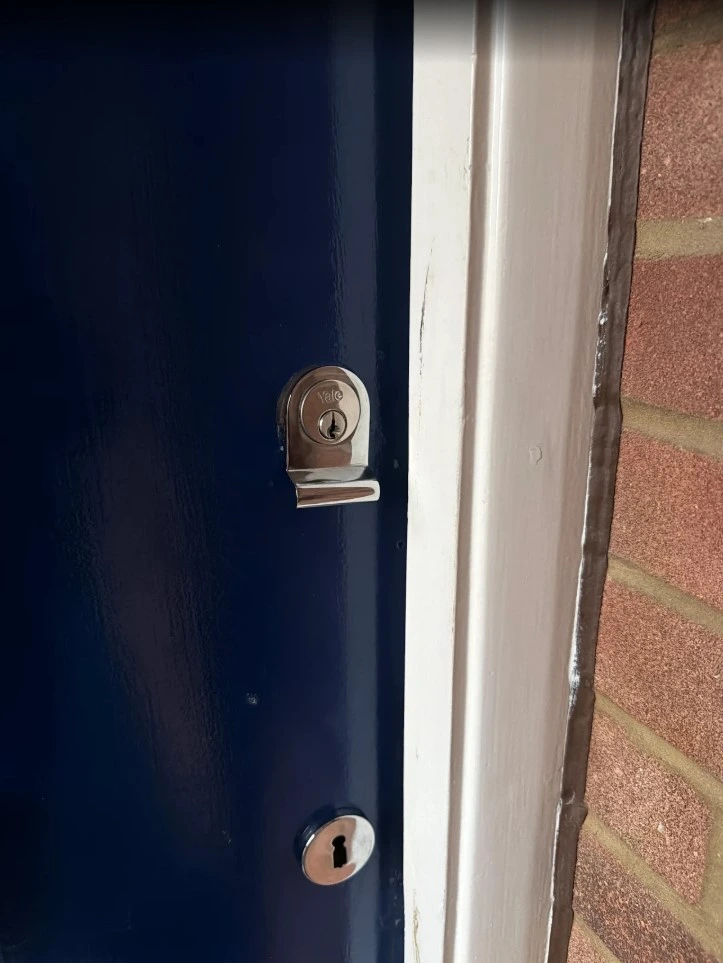
Sometimes. If the door works correctly and you have the keys, changing a like-for-like euro cylinder is often a manageable DIY task.
Replacing a damaged mortice case, nightlatch or multipoint gearbox may require more specialist fitting. Never assume the same steps apply to every lock.
Step 1 — Identify Your Door Lock Type
The part your key enters is not always the whole locking system. Look at the door edge, the handle and how the lock operates before deciding what to buy.
Often on uPVC & composite doors
Euro Cylinder
The removable key-operated barrel, usually held by a retaining screw in the door edge. If the wider mechanism works, the cylinder may be changed on its own.
Often on timber doors
Mortice Lock
A lock case recessed into the edge of the door. A deadlock or sashlock has different case dimensions, fixing positions and furniture requirements from a euro cylinder.
Surface-mounted lock body
Yale-Style Nightlatch
Usually visible on the inside face of a timber door. The outside rim cylinder and the inside nightlatch case are separate components.
Several locking points
Multipoint Mechanism
A strip along the door edge operating hooks, rollers or bolts, often when the handle is lifted. The cylinder, centre gearbox and full strip are different parts.
If you cannot tell which one you have, look for the lock manufacturer's marking, note your door material and take a clear picture of the keyhole and door edge. You can do this without dismantling the lock.
Step 2 — Measure Before Buying a Replacement
For a euro cylinder, the overall length is not enough. Measure separately from the centre of the fixing-screw hole to each end of the cylinder, recording which side faces outdoors and which faces inside.
A 75 mm cylinder can have different internal and external splits, and an incorrectly sized cylinder may fit poorly or project too far from the protective furniture.
Check These Details Before Ordering
- Cylinder size: Confirm both lengths, the external face and whether the handles or security escutcheons affect the fit.
- Cylinder type: Check whether the door needs a key on both sides, a thumbturn arrangement or another approved configuration.
- Lock standard: If a policy or property requirement specifies a security rating, verify the exact product rather than relying on its appearance.
- Other lock types: Mortice locks need case, backset, centres and faceplate compatibility. Multipoint systems have additional gearbox, strip and locking-point measurements.
If two replacement parts look alike but their measurements, operating type or security specifications differ, do not assume they are interchangeable. Your existing door and furniture determine the correct fit.
For security requirements on certain timber-door locks, see our guide to BS3621 locks and British Standards .
Step 3 — Prepare the Door, Tools and Replacement Hardware
For a conventional euro cylinder, you will usually need the working key, a suitable screwdriver, a tape measure and a correctly specified replacement cylinder.
The manufacturer's fitting instructions take priority over a general guide.
- Only work on a door and lock you are authorised to change.
- Confirm the replacement is compatible and that the property can remain secure during the job.
- Keep the door open and safely controlled while testing the lock, so a faulty fitting cannot accidentally lock you out.
- Put the retaining screw somewhere safe and do not force a part that catches or binds.
- If the entrance is a flat fire door, certified door assembly or required escape route, obtain suitable advice and any necessary building approval before altering hardware.
The key is missing, the lock has been forced, the door cannot be secured, the mechanism is jammed, or changing the lock could compromise a fire door or safe escape.
Those are not suitable situations for the simple cylinder procedure below.
Step 4 — How to Change a Euro Cylinder Lock
These are general steps for a working, removable euro-profile cylinder fitted in a compatible door. Follow the instructions for your specific manufacturer and stop if anything behaves differently.
-
Open and Secure the Door
Keep the door open throughout the work. Identify the screw in the door edge that lines up with the cylinder, rather than removing random screws from the lock strip.
-
Remove the Cylinder Retaining Screw
Use the correct screwdriver to remove the long fixing screw and put it aside. Some fittings need handle furniture loosened first; check the product instructions.
-
Align the Cam and Slide Out the Old Cylinder
Insert the working key and turn it slightly until the cam lines up with the cylinder body.
Gently withdraw the cylinder. If it resists, adjust the angle rather than using force.
-
Confirm the Old Size and New Cylinder
Measure both sides from the centre of the fixing-screw hole.
Check the exterior orientation, cylinder function, security rating and the fit against the existing door furniture.
-
Insert and Secure the Replacement
With the new key slightly turned to align its cam, ease the compatible cylinder into place.
Refit the correct retaining screw without overtightening. Refit any loosened handles following the manufacturer's directions.
-
Test Thoroughly Before Closing the Door
With the door still open, confirm that keys or the approved thumbturn work smoothly from the intended sides and that the latch and locking points operate correctly.
Only check it closed after you are confident it works and a safe way to re-enter is available.
If the key works but the handle will not lift, the hooks do not move, or the door only locks with unusual pressure, replacing the cylinder may not address the underlying fault.
See our uPVC door lock replacement options .
Changing Mortice Locks, Nightlatches and Multipoint Mechanisms
The simple euro-cylinder steps above do not apply to all door locks. The fitting requirements change considerably once you are replacing the lock body or a complete mechanism.
Replacing a Mortice Lock
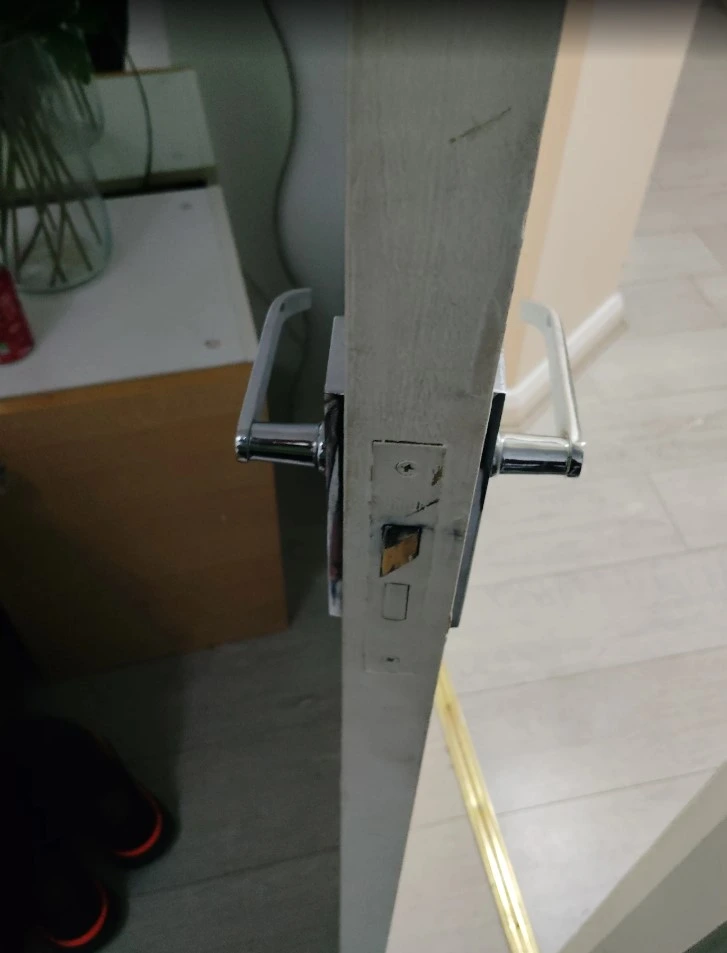
A mortice deadlock or sashlock sits in a cut-out within the door. A suitable replacement must match dimensions such as its case, backset, faceplate, fixing positions and how the bolt and door furniture operate.
A poorly matched lock can require alterations to the door and frame; that is different from swapping a cylinder.
On external doors, also check whether the current lock or insurance policy specifies a particular British Standard lock rating and whether occupants can exit safely.
Changing a Yale-Style Nightlatch
A traditional nightlatch normally has an inside lock case and a separate outside rim cylinder.
If the aim is to stop old keys working and the nightlatch case is sound, changing the compatible rim cylinder may be enough.
If the latch case or strike plate is faulty, changing only the outside cylinder will not fix it.
Compatibility matters because backsets, fixing holes, case shapes and latch functions vary. Check the exact model before removing the existing hardware.
Replacing a uPVC Multipoint Lock Mechanism
On many uPVC and composite doors, one handle operates a centre gearbox and locking points along a full-height strip. The cylinder is only one part of this arrangement.
A failed gearbox may sometimes be changed on its own; in other cases, compatible complete-strip replacement is required.
Check the mechanism manufacturer, backset, handle-to-cylinder centres, faceplate width and locking-point positions.
If the door has dropped or the frame keeps are misaligned, that may need correcting instead of replacing the full lock.
Our uPVC door lock replacement service explains the difference between cylinders, gearboxes and multipoint systems.
Common Mistakes When Replacing Door Locks
Most problems arise from choosing the wrong component, overlooking the door's condition or failing to test the finished fitting.
| Mistake | Why It Matters |
|---|---|
| Ordering by total cylinder length only | The inside and outside split may be wrong even when the total millimetres match. |
| Replacing a cylinder to fix a failed gearbox | The door can still be difficult or impossible to lock after fitting a new cylinder. |
| Ignoring door alignment | Misaligned keeps or hinges can load the mechanism and cause the original problem to continue. |
| Choosing a rating by assumption | A lock marked "five lever" is not automatically BS3621-certified; euro cylinders use different security standards. |
| Forcing parts or tightening screws excessively | The cylinder or mechanism can bind, wear or become damaged. |
| Closing the door before checking operation | You risk a lockout or a door that cannot be secured or opened safely. |
When Should You Call a Locksmith Instead?
DIY replacement is most sensible when the lock is working, the hardware is straightforward and you can confirm an exact compatible part.
Get professional help if the door is jammed, the key has broken, the gearbox or multipoint mechanism may have failed, or you cannot establish the correct measurements and security requirements.
Flat entrance doors, fire doors, controlled-access arrangements and unusual commercial locks need particular care.
Do not change a fire-door component in a way that could affect its tested assembly or occupants' safe escape.
Need the Lock Changed Rather Than Doing It Yourself?
Lock Luxe handles planned and urgent door-lock enquiries around Hendon and nearby North and North West London.
Explain what is happening, give your postcode and send a photograph if available.
Explore professional front-door lock replacement →How Much Does It Cost to Replace a Door Lock?
The total depends on which part needs replacing. A standard cylinder change uses different hardware and labour from a complete mortice lock, nightlatch or multipoint replacement.
Lock grade, compatibility, door condition, attendance and out-of-hours work can all affect a professional quotation.
For the detailed cost breakdown, see our UK guide to the cost of changing locks .
For Lock Luxe's own advertised starting rates, visit the locksmith prices page and confirm the full job-specific price before booking.
Door Lock Replacement FAQs
Can I change the front door lock without replacing the whole mechanism?
Often, yes. On a uPVC or composite door that works properly, a compatible euro cylinder can usually be replaced while keeping the existing multipoint mechanism.
If the gearbox or strip is faulty, a cylinder alone will not solve that problem.
Can I replace a euro cylinder without changing the door handles?
Often you can keep sound, compatible handles. Some security furniture must be loosened to remove the cylinder, and the replacement must fit correctly against that furniture.
Follow the instructions for your exact hardware.
Are all front door locks the same size?
No. Even euro cylinders of the same total length can have different inside and outside measurements.
Mortice locks, nightlatches and multipoint mechanisms each have their own dimensions and operating types.
Can changing a door lock affect home insurance?
It can if your policy requires a specific lock standard or security arrangement.
Check your own policy and the certification on the replacement product. Don't assume a five-lever mortice lock or any anti-snap-labelled cylinder meets every requirement.
Is it safe to change a flat entrance-door lock myself?
Not without first checking the building's fire-door and emergency-exit requirements. The lock and latch may form part of a fire-resisting door assembly.
Seek agreement from the building's responsible person and advice from a competent professional before making alterations.
What if my uPVC door will not lock after changing the cylinder?
Keep the door secure and avoid force. The issue may involve cylinder fit, handles, alignment, a gearbox or the wider multipoint system.
If normal operation cannot be restored safely, seek help with uPVC locking mechanisms .
Lock Luxe Locksmith / Hendon NW4
Need Help Changing Your Front Door Lock?
Whether you need new keys, a better-fitting cylinder or advice about a faulty lock, tell us your postcode, door type and the problem.
A picture of the keyhole, handle and door edge can help us discuss the next step. We serve Hendon and nearby parts of North and North West London; availability and charges should be confirmed before booking.