
Key Stuck in Lock? What to Do Before It Snaps
If your key is stuck in a door lock, won't turn back or is trapped halfway around, don't force it. Twisting or pulling harder can bend the key or cause it to snap inside the cylinder.
Below, we'll explain the safest things to try, why keys become stuck and how to recognise when the problem is more than a stiff lock.
If the key is already bending, the door cannot be secured or you're unable to get inside, we can help.
Based in Hendon, NW4. Taking 24/7 locksmith enquiries across North and North West London. Attendance depends on availability.
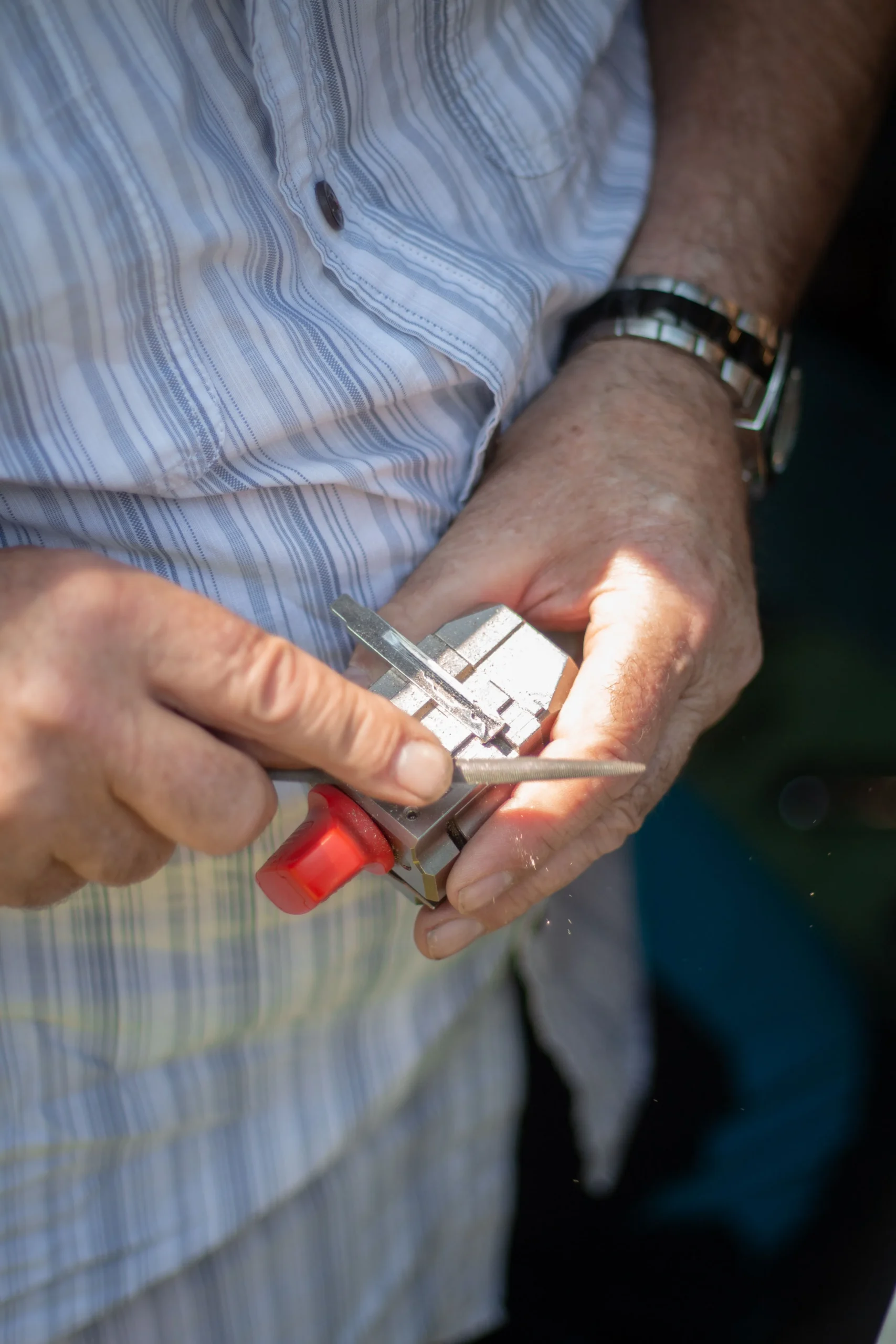
First, stop applying force. Keep the key straight and gently return it towards the position in which it was inserted. If the door is putting pressure on the mechanism, carefully ease that pressure without twisting the key harder.
If the key reaches its normal removal position and moves freely, try a gentle straight pull. If it still catches, bends or meets firm resistance, stop. The problem may need professional attention.
What to Do When Your Key Is Stuck in a Lock
A stuck key doesn't always mean the lock is broken. Sometimes the key hasn't returned to its removal position. In other cases, pressure on the door or wear inside the cylinder prevents it from releasing.
Before trying anything, check whether the key is still straight and whether it moves without resistance. These steps are only suitable when the mechanism is moving freely.
Stop twisting or pulling harder
If the key is resisting, extra force is unlikely to help. A bent or weakened key can snap, leaving part of the blade inside the cylinder.
Check the key's position
Many locks only allow key removal at a particular position. If the key moves freely, gently return it towards the position in which it entered.
Ease pressure on the door
If the door is closed, a slight change in pressure on the door or handle may help. Don't force the handle or attempt to lever the door away from its frame.
Try a gentle, straight pull
Only when the key has returned to its normal removal position, try withdrawing it gently. If it catches, stop rather than rocking it aggressively or using pliers.
Stop immediately if the key bends, feels springy, makes a cracking sound or needs significant force to move. Don't try to compensate by gripping it with pliers.
If the door is locked shut, cannot be secured or the key remains trapped, our emergency locksmith service is the next place to look.
Why Does a Key Get Stuck in a Door Lock?
The key itself isn't always the problem. It might be worn, but the cylinder, door alignment or internal locking mechanism could also be responsible.
One useful clue is whether the key sticks every time, only when the door is closed or only after you lift the handle.
Those differences help us narrow down the likely fault before recommending a repair or replacement.
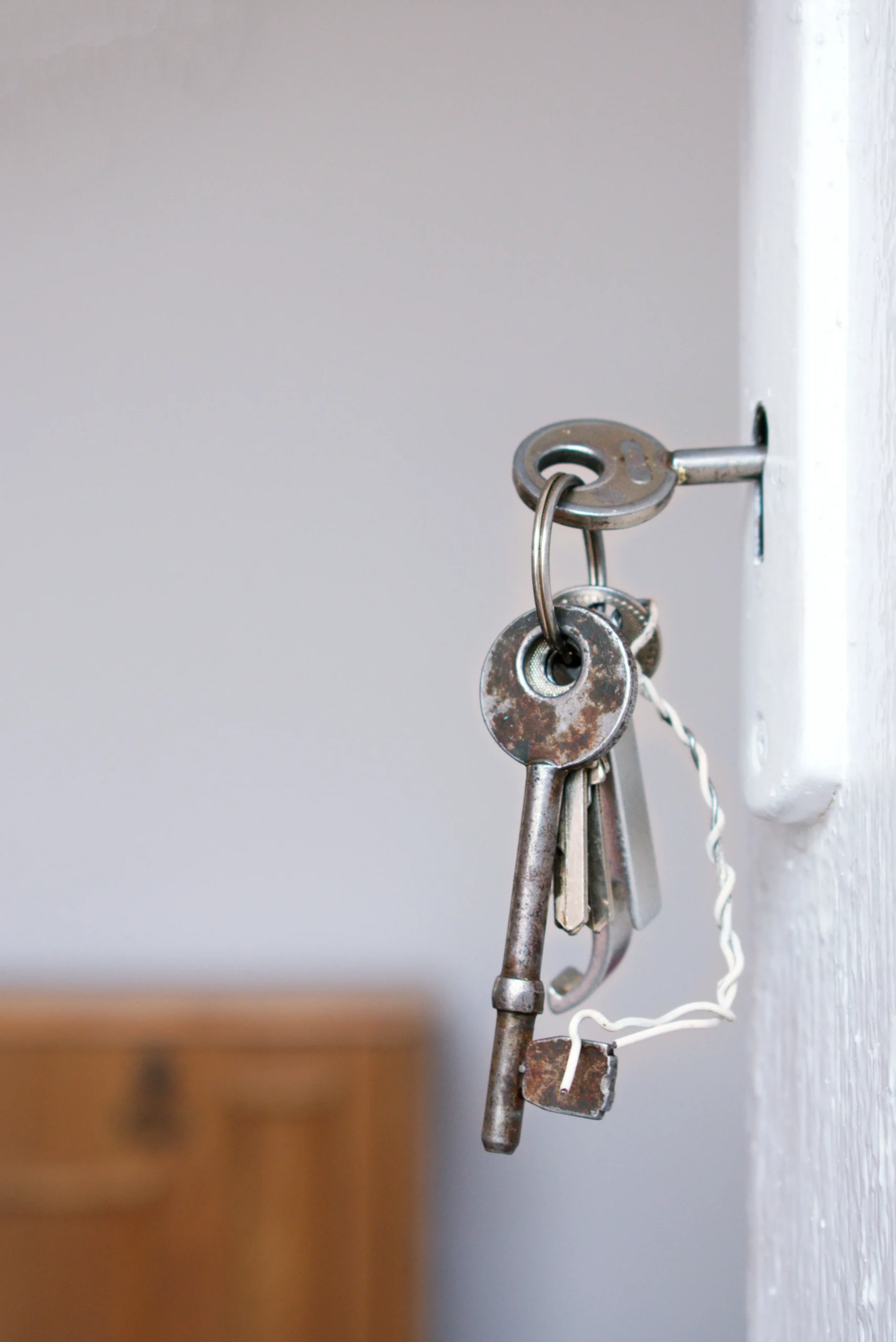
Worn or bent key
Over time, the cuts on a key can wear down. A slightly bent blade may also catch against the internal components of the lock.
Poorly cut duplicate
A duplicate made from an already worn key may enter the lock but fail to operate or withdraw smoothly.
Wrong key
Similar-looking keys can sometimes enter a keyway without correctly operating the lock, leaving the key trapped.
Worn or dirty cylinder
Wear, damaged components or debris inside the cylinder can prevent the key from moving normally.
Misaligned door
A dropped or shifted door can place pressure on the latch, bolts or locking points when the door closes.
Faulty multipoint mechanism
On uPVC and composite doors, the gearbox or locking strip can place pressure on the cylinder and interfere with key operation.
The important distinction is between a key that cannot be removed and a lock that cannot operate. They can feel similar but may require different repairs.
Key Stuck in Lock Half Turned
If your key is stuck halfway through a turn, it may not have reached the position where the cylinder allows it to be removed.
This can happen when the key hasn't completed its normal movement, but it can also indicate resistance from the cylinder cam or another part of the locking mechanism.
If the key moves freely, you can gently try returning it towards its original position. Keep it straight and avoid pushing the blade sideways.
If it stops abruptly or requires force to continue turning, don't attempt another full rotation.
If the cylinder or internal mechanism has failed, forcing the key may damage additional parts. We recommend having the fault assessed rather than repeatedly trying to turn it.
Key still trapped halfway around?
Tell us whether the door is open or closed, whether the key still moves and what type of lock is fitted. We can discuss the next step.
Does the Key Stick When the Door Is Open or Closed?
This distinction can tell us a lot about the likely cause. If your door is already open and can be operated safely, think about when the problem occurs.
If the key still catches when the door isn't pressing against its frame, the key, cylinder or internal lock components become more likely causes.
A worn key or damaged cylinder may need attention.
If the problem appears when the door closes, alignment or pressure on the locking points becomes more likely.
Replacing the cylinder alone may not correct the problem.
This is a diagnostic clue, not a guaranteed diagnosis. Different lock types can behave differently.
If the issue keeps returning, see our lock repair service. If the key operates normally but the door still won't open, the latch or internal mechanism may be responsible instead.
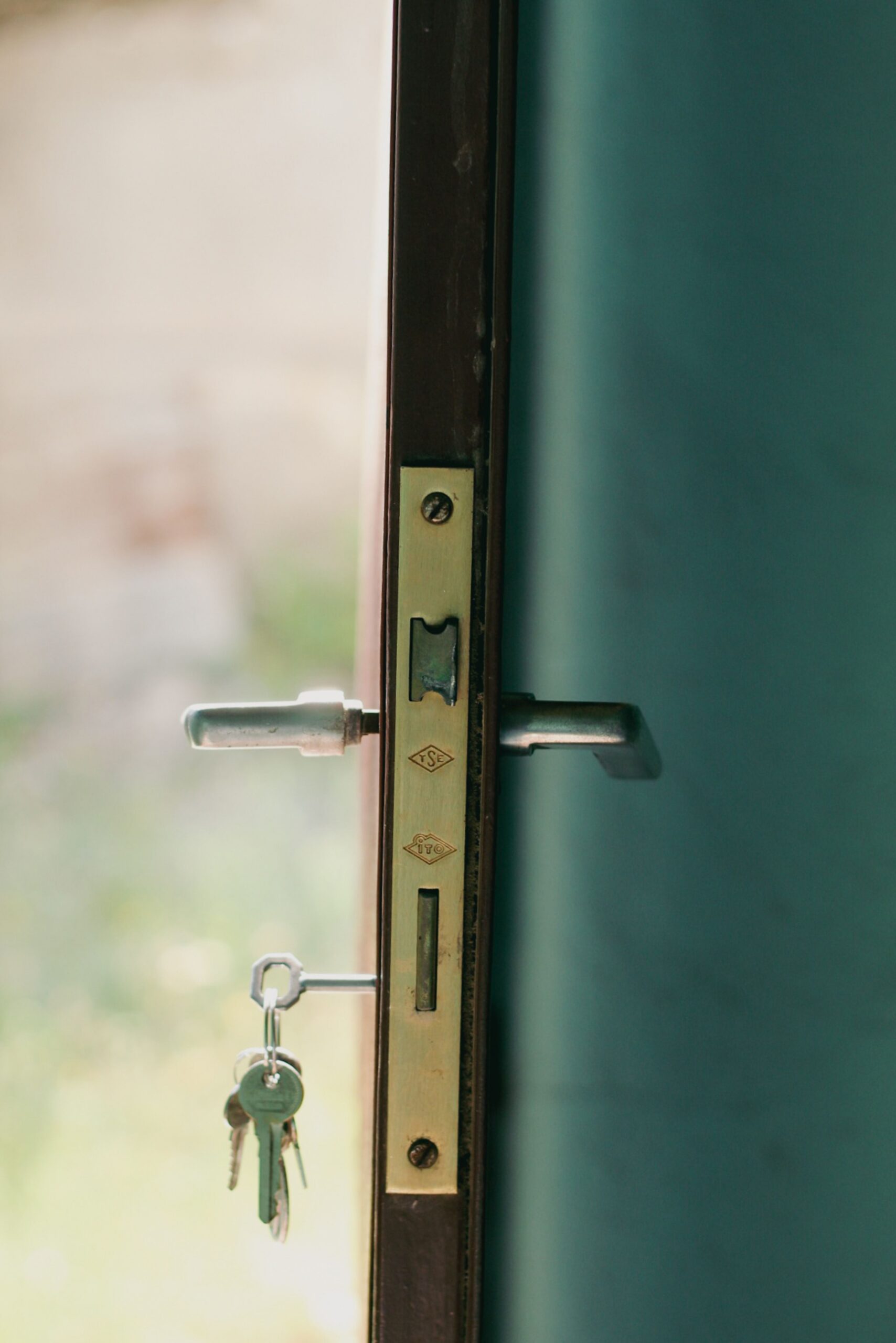
Key Stuck in a uPVC Door Lock
uPVC doors often use a multipoint locking system. Instead of one locking point, the handle and key operate several components along the edge of the door.
The handle, central gearbox, locking strip, cylinder and door alignment all need to work together.
If the key becomes stuck after lifting the handle, or only jams when the door is closed, the cylinder may not be the main fault.
We can assess these problems through our uPVC door and window lock service .
If the locking points are under pressure, repeatedly forcing the handle or key can damage the gearbox or multipoint mechanism. Stop if the movement is unusually stiff.
Can a Key Get Stuck in Any Type of Door Lock?
Yes. The underlying reason depends partly on the type of lock fitted to the door. Identifying the lock helps narrow down what may have failed.
Euro cylinder locks
Often fitted to uPVC and composite doors. Wear, cylinder position and pressure from the multipoint mechanism can affect key removal.
Yale-style night latches
A worn key or cylinder can cause sticking. The fault may be limited to the cylinder rather than the entire night latch.
Mortice locks
Wear in the key, lock levers or bolt mechanism can make turning or withdrawing the key difficult.
High-security cylinders
Security cylinders may have manufacturer-specific maintenance requirements. Avoid dismantling them or adding unsuitable products.
If you're unsure what lock you have, a clear photograph of the door and lock can help us understand the issue when you contact us.
Should You Use WD-40 or Lubricant on a Stuck Key?
Lubricant is not a universal solution to a key stuck in a lock.
Some cylinders can benefit from a suitable lock lubricant, but the correct product depends on the manufacturer's instructions and the type of cylinder.
General-purpose oils may leave residue or attract dirt in some locks. Adding more lubricant without knowing the cause can make diagnosis harder.
More importantly, lubrication won't correct a bent key, damaged cylinder, faulty gearbox or misaligned door.
Don't flood the keyway or use lubricant as an excuse to apply more force. If the key is already trapped, identify the cause before attempting further work on the lock.
What If the Key Snaps Inside the Lock?
If part of the key breaks off inside the cylinder, you're now dealing with a different problem.
Avoid pushing another key behind the broken piece, inserting glue into the keyway or drilling the cylinder yourself.
These attempts can push the fragment deeper, obstruct the mechanism or damage components that might otherwise be reusable.
We explain the next steps in our dedicated broken key in lock guide .
Does a Stuck Key Mean You Need a New Lock?
Not necessarily. A stuck key doesn't automatically mean the cylinder or complete lock needs replacing.
The important question is why the key became trapped.
The key is the problem
If the lock operates normally with an undamaged key, the original key may be worn or poorly cut.
The cylinder is worn
If several keys catch or the cylinder remains rough with the door open, cylinder replacement may be appropriate.
The door is misaligned
If the key only sticks when the door is closed, correcting alignment may be more useful than fitting another cylinder.
The locking mechanism has failed
A damaged gearbox or other internal component may need repairing or replacing, depending on the fault.
We aim to identify the fault before discussing the appropriate repair. If a replacement cylinder is needed, you can read about our lock replacement service .
How Much Does It Cost to Fix a Key Stuck in a Lock?
The cost depends on whether the key can be removed without further damage, whether the cylinder is faulty and whether another part of the locking mechanism needs attention.
Our published starting prices include lock repairs from £89 and standard home lockouts from £89. We also advertise a £49 call-out charge.
Those prices are not a fixed quotation for removing a stuck key. Before booking, ask us to confirm how the call-out charge applies, whether parts are needed and whether any out-of-hours charges will affect your total.
You can check our locksmith price list for more information.
Want to understand the likely cost?
Send us your postcode, a description of the fault and, if possible, a photograph of the lock. We'll discuss the next step and relevant charges before you book.
How to Stop Your Key Getting Stuck Again
Once the immediate problem has been resolved, a few sensible checks can help reduce the chance of it happening again.
Replace damaged keys
Don't continue using a visibly bent, cracked or heavily worn key.
Pay attention to door alignment
If you need to pull, push or lift the door excessively to lock it, have the alignment checked.
Don't ignore repeated sticking
A key that regularly catches is giving you an early warning of a possible fault.
Use suitable lock care
Follow the manufacturer's maintenance guidance rather than applying random lubricants.
Key Stuck in Lock FAQs
Why is my key stuck in the lock?
Possible causes include a worn or bent key, a poorly cut duplicate, cylinder damage, debris, incorrect key position or pressure from the door's locking mechanism.
How do I remove a key stuck halfway around?
If the key still moves freely, gently return it towards its normal removal position. Don't force it through resistance or use pliers for extra leverage.
Why does my key only stick when the door is closed?
This can indicate that the door is misaligned or that the latch or multipoint locking mechanism is under pressure. The cylinder itself may not be faulty.
Can I use pliers to pull a stuck key out?
We wouldn't recommend it. Pliers increase the leverage on the key and can cause the blade to bend or snap.
Should I spray WD-40 into the lock?
Don't assume a general-purpose spray is suitable for your cylinder. Follow the lock manufacturer's guidance. Lubricant won't fix a damaged key or faulty locking mechanism.
What if I've put the wrong key into the lock?
Don't keep trying to turn it. A similar-looking key may enter the keyway but become trapped because it cannot operate the cylinder correctly.
Does a stuck key mean I need a new lock?
No. Sometimes the key can be removed and the underlying fault corrected. Replacement is more relevant when the cylinder or another component is damaged or unreliable.
What if my key snaps inside the lock?
Stop trying to operate the cylinder. Don't push another key behind the fragment or use glue. See our broken key guide for further advice.
Can you help with a key stuck in a lock in Hendon?
Yes. We're based in Hendon and take locksmith enquiries across North and North West London. Contact us with your postcode, door type and a description of the problem so we can confirm availability.
Locksmith Advice From Lock Luxe
This guide is published by Lock Luxe Locksmith, based in Hendon, North West London. It covers common stuck-key symptoms, possible causes and safe first steps.
This guidance is provided by the Lock Luxe team. The exact cause of a stuck key cannot always be confirmed without inspecting the lock and door mechanism.
Key Still Stuck? Speak to Us
If your key won't come out, the lock has become stiff or the door cannot be secured, don't keep forcing it.
We're based in Hendon and take 24/7 locksmith enquiries across North and North West London. Tell us what's happened and we'll confirm the next step and availability.