
Broken Key in Lock? What to Do Next
Has your house key snapped inside the front door lock? Don't force another key into the cylinder or try to push the broken piece out. In some cases, the fragment can be removed without replacing the lock.
Whether you have a key broken in a lock, a snapped key trapped inside the cylinder or a door that won't open, the next step depends on where the key broke and what caused it to snap.
This guide explains what you can safely check, when to stop, how professional broken key extraction may work and when further lock repair or replacement could be necessary.
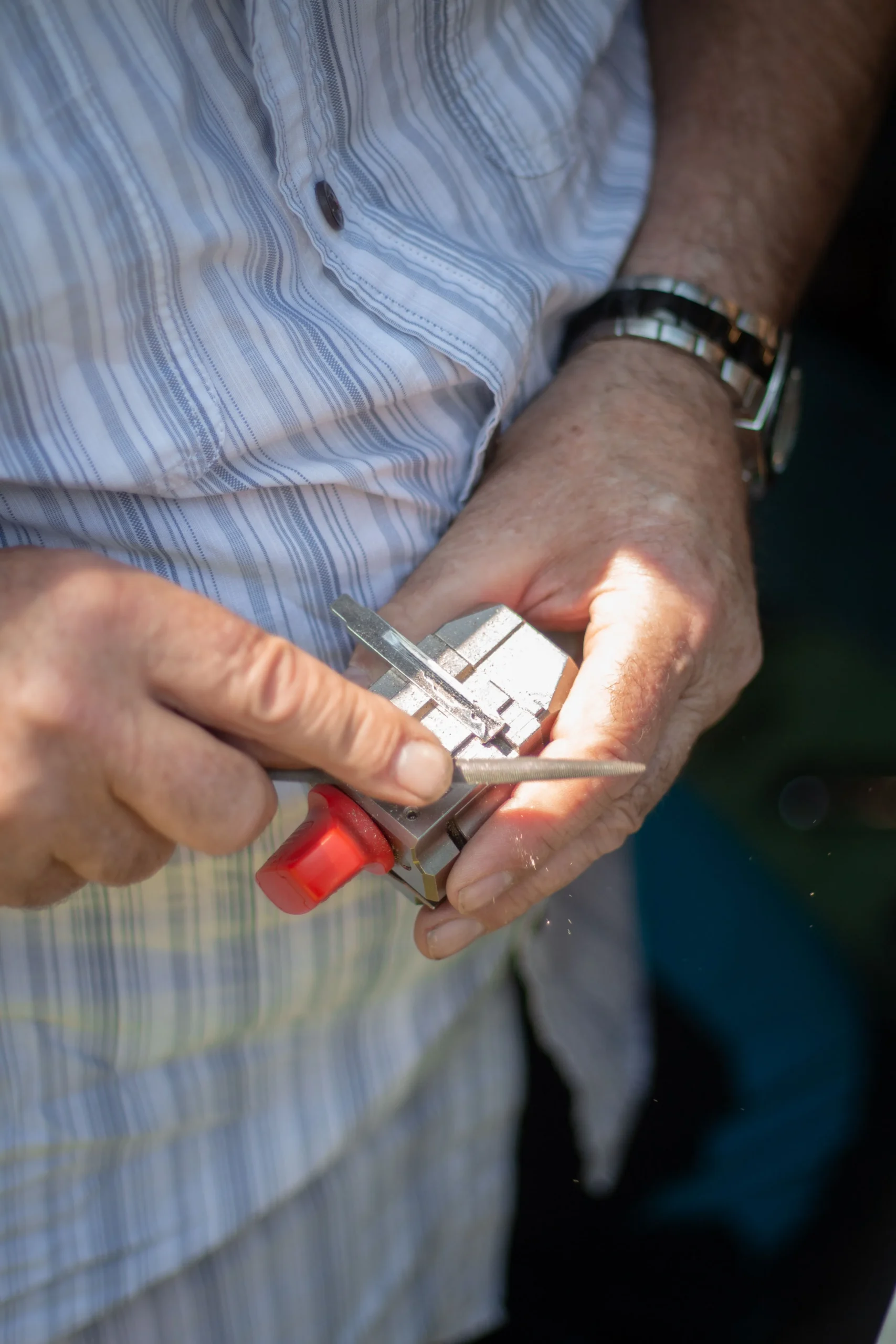
Stop turning the key and keep the broken half. If enough of the blade is sticking out to grip it without putting anything into the lock, a gentle, straight pull may work. Don't twist it or use force.
If the fragment is flush with the keyhole, completely inside the cylinder or refuses to move easily, leave it alone. Glue, sharp tools and repeated attempts can damage a lock that might otherwise be repairable.
If the broken key has left you locked outside or unable to secure the door, contact a locksmith and explain the situation before attempting further removal.
Four Things to Check When a Key Snaps
Whether you're standing outside your home or the door is still open, these checks can help you avoid making the problem worse.
Stop turning the lock
Don't push the remaining key back into the hole or keep trying to turn the cylinder. You could move the fragment farther inside or damage the mechanism.
Keep the broken piece
Put the part of the key still in your hand somewhere safe. It can help identify the type of key, show where it snapped and help a locksmith assess the problem.
Look at the keyhole
Is part of the key sticking out? Is the broken end level with the face of the lock? Or is it hidden inside the cylinder? You only need to look; don't insert another tool.
Check the door's position
Is the door open, locked shut or unable to secure properly? A broken key in an open door is a different situation from a snapped key that's left you locked outside.
Glue can run into the keyway and damage the cylinder's internal components. Drilling, forcing screwdrivers into the lock or attempting to hook the fragment blindly can turn a removable broken key into a much bigger repair.
If you're locked outside, see our locked-out-of-house advice . If the door cannot be secured, contact us about emergency locksmith assistance .
Can You Remove a Broken Key Yourself?
Sometimes, yes. The main question is whether you can get hold of the broken blade without inserting anything into the mechanism.
If a reasonable length of metal is sticking out and the lock is not under obvious pressure, you may be able to grip the exposed blade carefully with fine pliers. Pull it straight out using very light pressure.
Don't rotate the fragment or keep pulling if it feels firmly trapped. If it doesn't move easily, stop.
When the key has broken level with the keyhole or deeper inside the cylinder, there may be no safe way to grip it from outside. That's when it's better to have the lock assessed.
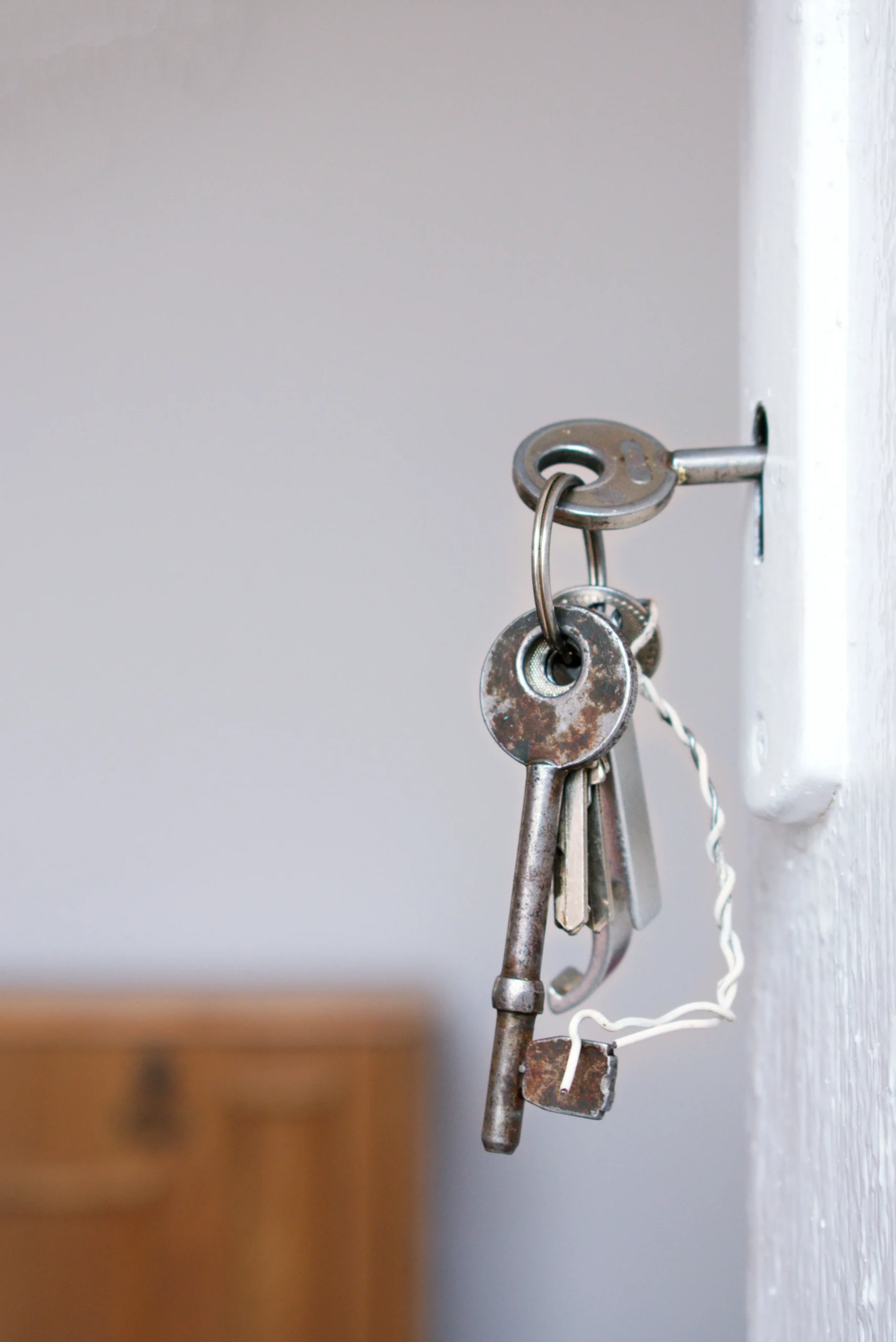
Part of the key is sticking out
Gentle removal may be possible if you can grip the metal directly. Stop immediately if you feel resistance or the blade begins to bend.
The key is flush or hidden inside
Don't try another key, super glue, paperclips or improvised hooks. The fragment may need controlled extraction using suitable locksmith tools.
Is your key stuck rather than broken? If the key is still in one piece but will not turn or come out, that is a different fault. Read our key stuck in lock guide for advice about intact keys that have become trapped.
Why Do House Keys Snap Inside Locks?
Sometimes the key itself has become weak. Other times, something inside the lock or door is making the key harder to turn. It's worth finding out which, because removing the broken piece doesn't always solve the original problem.
Old or worn keys
Years of use can leave a blade worn, bent or cracked. A weak section may eventually break during normal locking or unlocking.
A stiff cylinder
A cylinder that is worn or binding internally can make the key difficult to rotate. That extra resistance puts strain on the metal.
A misaligned door
If a door has dropped or moved out of alignment, the locking points may press against the frame and make locking difficult.
uPVC gearbox problems
On some uPVC and composite doors, a worn gearbox or multipoint mechanism can make the handle or key unusually stiff.
A damaged key copy
A poorly cut or worn duplicate may not move smoothly through the cylinder. Repeated forcing can increase the chance of breakage.
Too much turning force
Trying to turn a key when something is jammed can cause it to twist or snap, even when the key appeared to be working previously.
Tell Lock Luxe if you had to lift the handle harder than usual, pull the door towards you or wiggle the key to get it to turn. Those symptoms may suggest an alignment or mechanism problem rather than a weak key alone.
How Can a Locksmith Help With a Broken Key?
The aim is to deal with the broken fragment and understand why it snapped. A new lock is not automatically necessary.
Before deciding what work is needed, it's useful to know which type of lock is fitted, how far the broken key has gone inside and whether the door was already difficult to operate.
Understand the symptoms
Is the door open or locked? Where has the key snapped? Was the lock stiff or troublesome before the key broke? These details help explain the fault.
Assess the cylinder
The position of the fragment and condition of the lock help determine whether broken key extraction without replacing the cylinder might be possible.
Consider the underlying fault
After successful removal, the lock should be checked for wear, unusual resistance or a separate door mechanism problem before being returned to use.
Serving nearby areas of North and North West London.
About Lock Luxe Locksmith →What the Lock Luxe Team Needs to Know
When you contact Lock Luxe about a snapped key, tell us whether the door is open or locked and whether part of the key is still visible. A clear photograph of the lock can also help explain the problem.
It is also useful to know whether the key had become difficult to turn before breaking. That matters because the cylinder might not be the only issue. On a uPVC door, for example, resistance could involve the locking mechanism or alignment.
The next step is to identify the fault before deciding whether the existing lock can remain in place or requires attention.
Need Help With a Snapped Key?
Send the Lock Luxe team a picture of the lock and your postcode. Let us know whether the door is open, locked or unable to secure so we can discuss availability and the next step.
What Type of Lock Has Your Key Broken In?
Not all locks work the same way. Knowing which type is fitted helps explain what might have gone wrong.
Euro cylinder locks
Frequently fitted to uPVC and composite doors. The cylinder accepts the key and can operate a larger multipoint locking system. A stiff key may indicate wear in the cylinder or resistance elsewhere in the door.
Yale-style night latches
Common on some timber front doors and flats. The key operates a rim cylinder. The cylinder, key and latch should be considered when identifying the fault.
Mortice locks
Often found on wooden entrance doors. Mortice locks may use a lever mechanism, and the key can become difficult to operate if the lock or door is misaligned.
Multipoint locking systems
Many uPVC and composite doors have several locking points operated by the handle and key. If these parts are binding, replacing only the cylinder might not correct the problem.
If your handle won't lift, the key is difficult to turn or the locking points are not engaging, see our uPVC door and window lock service .
Will You Need a New Lock After the Key Snaps?
Not always. If the original key was weakened and the cylinder is still in good condition, the lock may work normally once the broken piece has been removed.
But if the cylinder remains stiff, has been damaged or repeatedly catches with different keys, repairing or replacing it may be necessary.
On a uPVC door, an underlying alignment or gearbox fault can also put pressure on the key. In that situation, replacing the cylinder alone may not resolve the original problem.
When the existing lock might be fine
The fragment is removed, no damage is found and the cylinder and locking mechanism work smoothly when tested.
When additional work may be needed
The lock is damaged, the mechanism continues to jam or the door remains difficult to lock and unlock.
If another fault is found, the appropriate solution may be lock repair or lock replacement. The condition of the hardware should determine which is needed.
Can You Get Another Key Made From the Broken Pieces?
In some cases, yes. If both halves are still available and the original key cuts can be identified accurately, a key-cutting service may be able to make a replacement.
This is less straightforward if the key has twisted, lost part of its blade or become badly worn. Some restricted security keys also need specialist cutting arrangements or authorisation.
Keep both pieces until you know what replacement is possible. If the original lock is still stiff or damaged, don't assume that a fresh key will solve the problem.
Tell the Lock Luxe team when making your enquiry. The available options depend on the type of lock, the condition of the cylinder and whether the door is currently secure.
How Much Does Broken Key Removal Cost?
There isn't one fixed price for every broken-key problem. The cost depends on the type of lock, where the fragment is trapped and whether anything else needs repairing.
Lock Luxe publishes starting prices for related locksmith work. The figures below are reference prices rather than a confirmed quote for broken-key extraction.
| Service | Advertised price |
|---|---|
| Call-out / attendance | £49 |
| Standard home lockout | From £89 |
| Lock repair | From £89 |
| Standard cylinder replacement | From £99 |
| uPVC lock mechanism | From £149 |
| Out-of-hours / night work | From £149 |
These are published starting prices, not a fixed broken-key extraction quotation. Attendance, labour, parts, timing and any applicable charges should be clarified before booking.
The £49 attendance charge is advertised separately from the service starting prices. Please confirm whether it is included in or added to the price quoted for your job. You should also confirm any parts, out-of-hours charges and applicable VAT before agreeing to the work.
View the full locksmith price list , or send your postcode, a photo of the lock and a description of what happened to discuss the cost.
What Lock Luxe Customers Say
These reviews describe customers' experiences with Lock Luxe's locksmith services, including lockouts and faulty locks. They are not presented as reviews of broken-key extraction specifically or as evidence of work in a particular location.
“Helped me when I was locked out. Came quickly, fixed the job for a reasonable price. Highly recommend”
“Fast, professional, and trustworthy service. Clear pricing, honest advice, and quality work. Highly recommended.”
“LockLuxe Locksmith saved my day! My front door lock jammed late at night, and they arrived quickly and fixed everything professionally. Very friendly, reliable, and reasonably priced. Highly recommended!”
For more information about Lock Luxe and its published customer feedback, visit our recent work and customer experiences page .
Broken Key in Your Lock Around Hendon?
Lock Luxe is based in Hendon, NW4. The business provides locksmith assistance across nearby parts of North and North West London, focusing on addresses within approximately five miles of Hendon.
Lock Luxe takes enquiries for snapped keys, jammed locks, faulty cylinders and doors that cannot be secured. Whether attendance is available depends on your postcode, the time and availability.
If you're unsure whether you're within the service area, send your postcode or visit the areas we cover page .
Broken Key in Lock FAQs
How do you get a broken key out of a lock?
If enough of the blade is visibly sticking out, you may be able to remove it with a gentle straight pull. If the fragment is flush with the lock or trapped inside the cylinder, avoid forcing tools into the keyhole and contact a locksmith.
Can a locksmith remove a snapped key without drilling?
Often, a locksmith can attempt non-destructive broken key extraction. Whether it succeeds depends on where the fragment is trapped and the condition of the lock. It cannot be guaranteed without examining the problem.
How much does broken key removal cost?
Lock Luxe does not advertise a fixed broken-key extraction price. The published prices include a £49 attendance charge and lock repairs from £89, but these are not a quotation for removing your broken key. Please confirm the full expected price and any additional charges before booking.
Do I need a completely new lock if my key snaps?
Not necessarily. If the broken piece can be removed and the cylinder operates normally afterwards, replacement might not be necessary. A damaged cylinder or faulty locking mechanism may need further work.
Why did my key break when I turned it?
The key may have become weakened or worn. A stiff cylinder, door alignment problem or failing multipoint mechanism can also create resistance that makes a key more likely to snap.
Can I use super glue to remove a broken key?
We don't recommend it. Glue can get inside the keyway and stick internal components together, damaging a lock that might otherwise have remained usable.
Can I put another key in from the opposite side to push it out?
Don't force another key into the cylinder. Whether the opposite side can operate depends on the cylinder's design and the position of the trapped fragment. Forcing a second key can worsen the problem.
What if my broken key has left me locked outside?
Avoid trying to force the lock or door open. Contact a locksmith and explain that the key has snapped inside the cylinder. Let Lock Luxe know your postcode and whether the broken piece is visible.
Can a new key be made using the broken pieces?
Sometimes. A suitable key-cutting service may be able to reproduce the key if the remaining pieces are in good enough condition. Some security keys require specialist cutting or authorisation.
Can Lock Luxe help with a broken key near Hendon?
Lock Luxe takes enquiries for locksmith problems across Hendon and nearby parts of North and North West London. Send your postcode, details of the broken key and a photograph where possible to check availability.
If someone is trapped behind a locked door and there is immediate danger, such as a fire or medical emergency, call 999. Don't delay emergency assistance to troubleshoot the lock.
Snapped Your Key in the Door? Speak to Lock Luxe.
Whether the key has broken inside the cylinder, you've been locked outside or the door won't secure properly, tell us what's happened.
Lock Luxe is based in Hendon and helps customers across nearby North and North West London. Call or send the Lock Luxe team a photograph of your lock and your postcode to discuss availability and the next step.